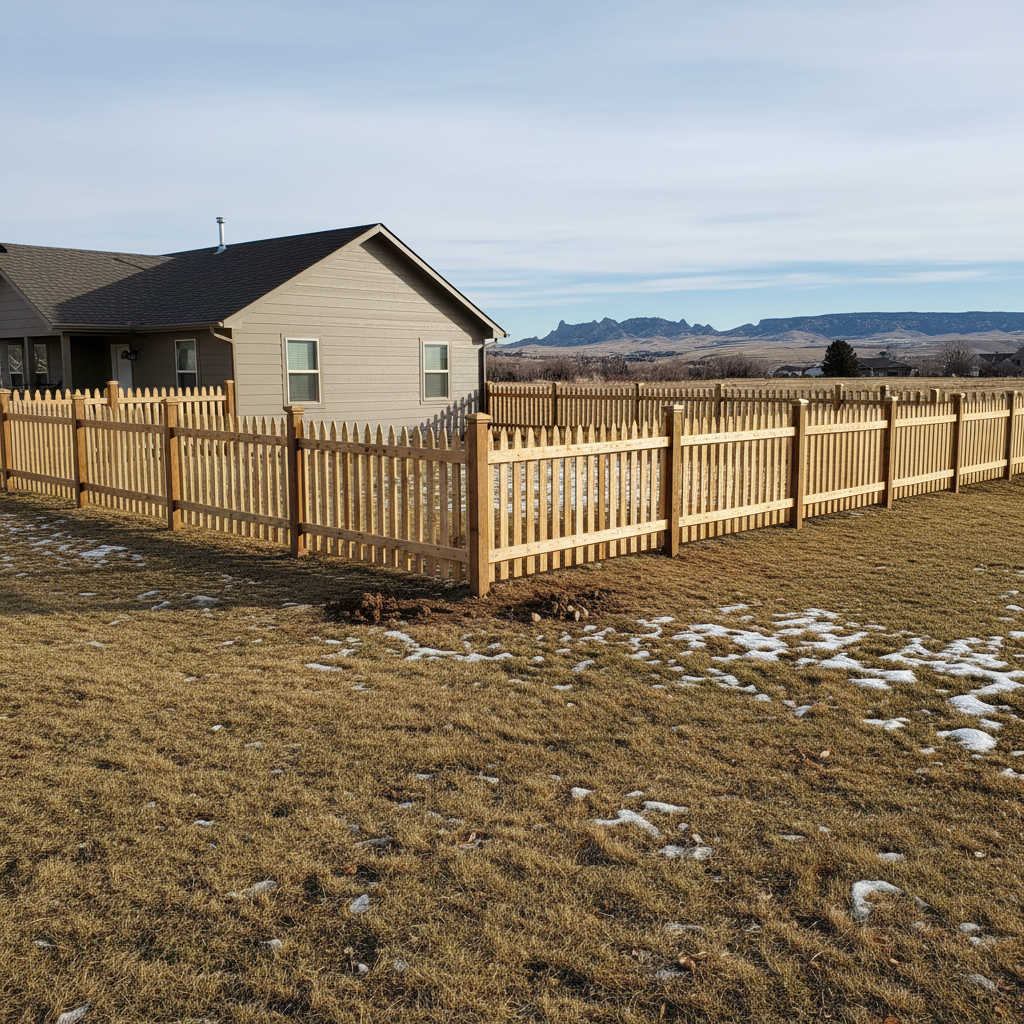
So, you're thinking about a wood fence for your Rapid City home? That's a solid choice. Wood fences really add that classic curb appeal and give you some good privacy. But let's be real, here in the Black Hills, our weather can be pretty wild. So, when's the best time to actually get that fence put in, and how do you keep it looking sharp once it's standing?
When to Put Up Your Wood Fence
This is probably the question I get asked most often. People usually assume summer's the only option, but that's not always true — sometimes it's even a bad idea. For wood fence installation, what we really need is stable ground and temperatures that aren't too extreme.
- Spring (Late April to Early June): This is often the sweet spot. The ground has usually thawed completely by then, but it hasn't gotten rock-hard from summer drought yet. We're past the worst of the snow and ice, and the weather's comfortable for the crew. You skip the intense heat of mid-summer, which can be tough on both the wood and the folks doing the work. Plus, if you get it done in spring, you get to enjoy your new fence all summer long.
- Late Summer/Early Fall (Late August to October): Another excellent time. The ground is typically dry enough, and the scorching heat is behind us. That cooler, crisp air? Perfect for working outside. You'll definitely want to get it done before the ground starts to freeze solid, which usually happens around late October or early November here in Rapid City. Once the ground is frozen, digging post holes turns into a nightmare, and it's just not practical or safe to install anything.
- Winter: Can we do it? Technically, yes, if the ground isn't frozen solid and we catch a mild spell. But I generally recommend against it unless there's absolutely no other option. Frozen ground makes digging incredibly tough, and the cold can mess with how the concrete for the posts cures. Plus, working with wood in extreme cold isn't ideal. Honestly, it's just not the best conditions for a quality install that's going to last.
Weather Conditions That Impact the Job
It's not just about the season; the day-to-day weather plays a huge role too. We're always keeping an eye on the forecast for a few key things:
- Heavy Rain: A little drizzle is no big deal, but sustained heavy rain turns the ground into a muddy mess. It makes digging difficult, creates unsafe working conditions, and can cause problems with setting posts correctly. We'll usually reschedule if a big rainstorm is headed our way.
- High Winds: Rapid City knows high winds, right? Trying to set tall fence panels in a 40 mph gust isn't just dangerous for my crew; it's bad for the fence itself. It's really hard to get things plumb and secure when they're fighting the wind.
- Extreme Cold/Snow: Like I said, frozen ground is a definite no-go. If we get an unexpected early snow or a deep freeze, we'll have to hit pause until conditions improve. We won't compromise the integrity of your fence by trying to force an install in bad weather.
- Extreme Heat: While we can work in the heat, long stretches over 95 degrees mean slower progress and a higher risk for the crew. We'll often start earlier or take more breaks, which might stretch out the project timeline a bit.
Protecting Your Wood Fence All Year
Once your beautiful new wood fence is up, you've got to protect that investment. Here's what you need to know:
- Sealing/Staining: This is probably the most crucial step after installation. You'll want to seal or stain your fence within a few months of it going up. This protects the wood from moisture, UV damage, and rot. Here in Rapid City, with our dry summers and snowy winters, that protection is absolutely essential. I recommend a good quality penetrating stain that includes UV inhibitors. You'll want to reapply this every 2-5 years, depending on the product and how much sun your fence gets.
- Keep it Clean: Don't let dirt, mildew, or algae build up. A simple scrub with a brush and some mild soap and water can work wonders. For tougher spots, a pressure washer on a low setting can help, but be careful not to damage the wood fibers.
- Trim Vegetation: Keep bushes, vines, and trees from growing directly against your fence. They trap moisture, which can lead to rot and insect problems. Plus, roots can sometimes mess with fence footings over time.
- Check for Damage: Do a quick walk-around once or twice a year. Look for loose boards, popped nails, or signs of insect activity. Catching these issues early can save you a lot of headache and money down the road. Especially after a big winter storm with heavy snow loads, check for any leaning posts or broken rails.
- Drainage: Make sure water drains away from the fence line, especially around the posts. Standing water is a wood fence's worst enemy, period. This is especially important in areas like the west side of town where we sometimes deal with heavier clay soils that hold water.
Getting a wood fence installed is a big decision, and getting the timing and ongoing care right makes all the difference. We've been building fences for years here at Rapid City Fencing Company, and we've seen what works and what doesn't with our local climate. If you're thinking about a wood fence, give us a call. We're happy to talk through the best plan for your property.