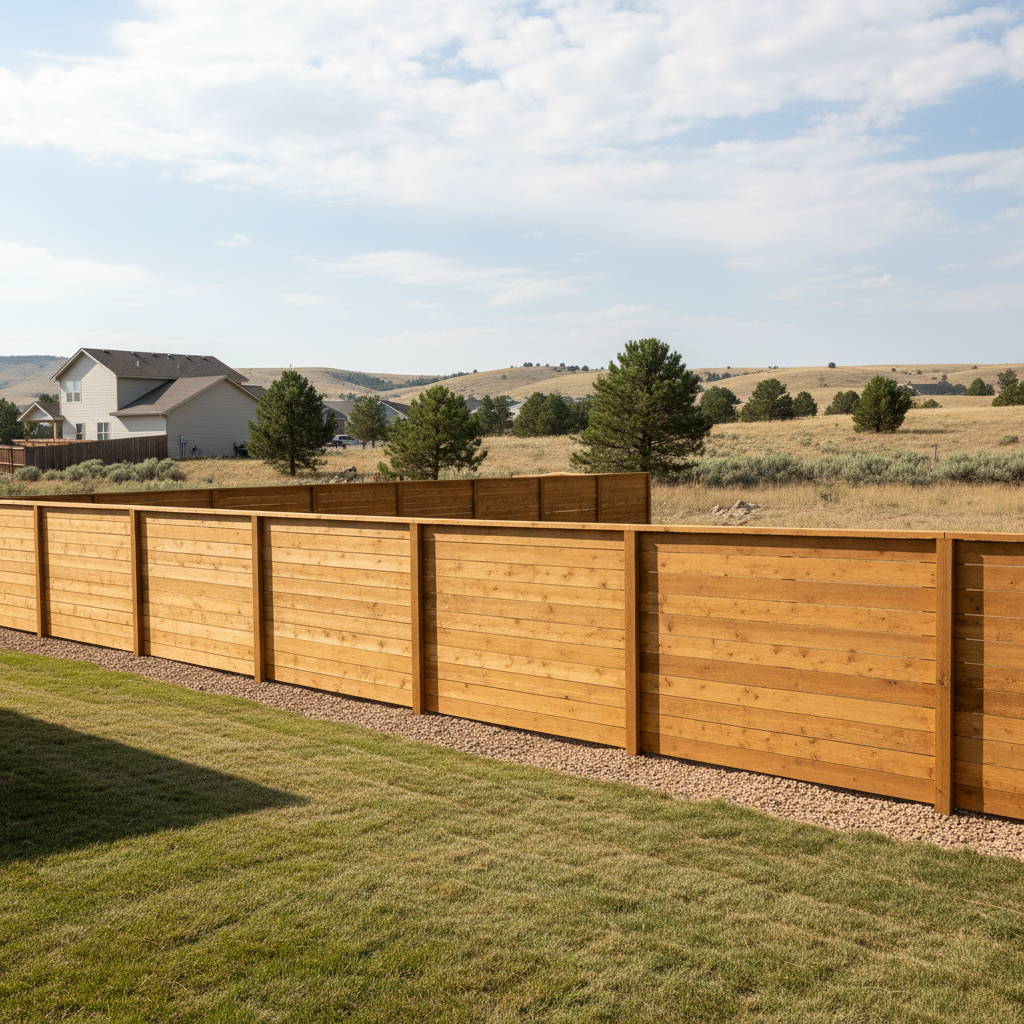
You put up a privacy fence for a reason, right? To give your family some peace, keep the dog in, or just make your backyard feel like your own. Whatever it was, you want that investment to last. And in Rapid City, with our crazy weather swings, that means a little bit of know-how goes a long way.
I’ve been installing and fixing fences around here for years with Rapid City Fencing Company, and I’ve seen what makes a fence last and what makes it fall apart. It usually comes down to simple, consistent maintenance.
Extend Your Fence's Life: It's Easier Than You Think
The biggest thing you can do to extend your privacy fence's life, especially if it's wood, is to protect it from the elements. Our summers can be brutal with UV rays, and our winters? Forget about it – snow, ice, and freeze-thaw cycles are tough on everything. For wood fences, that means sealing or staining.
- Seal or Stain Wood Fences: This isn't just about making it look good; it's about creating a barrier. A good quality sealant or stain repels water, which is the number one enemy of wood. It stops rot, prevents warping, and protects against UV damage. I usually recommend doing this every 2-3 years, depending on the product and how much sun your fence gets. If your fence is on the south side of your property, it's taking a beating from the sun all day, so you might need to do it more often.
- Keep it Clean: Dirt, mildew, and algae don't just look bad; they hold moisture against the fence material. A simple wash with a garden hose and a soft brush can do wonders. For tougher spots, a mild bleach solution (1 part bleach to 4 parts water) or a commercial fence cleaner works great. Just be careful with pressure washers – too much pressure can damage wood fibers or even vinyl.
- Trim Vegetation: Any plants, bushes, or trees growing right up against your fence are bad news. They trap moisture, prevent air circulation, and can even physically damage the fence as they grow. Keep about a foot of clear space around your fence line. This is especially important for the bottom of the fence where moisture can really sit and cause rot.
Regular Maintenance: Your Annual Checklist
Think of this like a yearly check-up for your fence. A quick walk-around can catch small problems before they become big, expensive ones.
- Inspect Posts and Footings: This is crucial, especially with our clay soil in areas like the west side of town. Clay expands and contracts with moisture, which can put stress on fence posts and footings. Look for posts that are leaning, wobbly, or have cracks in the concrete. Make sure the posts aren't rotting at the ground line – that's a common failure point for wood.
- Check Panels and Slats: Are any boards loose, cracked, or missing? Are there gaps appearing? For vinyl fences, check for any discolored sections or panels that have popped out of their channels. Wood fences can warp or split, especially after a harsh winter.
- Hardware Check: If you have gates, check the hinges, latches, and any other hardware. Are they rusty? Are the screws loose? A gate that doesn't close properly is a privacy and security risk. Lubricate hinges if they're squeaky.
- Look for Pest Damage: Termites or carpenter ants can do serious damage to wood fences. Keep an eye out for sawdust, tunnels, or any signs of insect activity.
Warning Signs: Don't Ignore These
Sometimes your fence will tell you it's in trouble. You just need to know what to look for.
- Leaning or Sagging: A fence that's leaning significantly, or panels that are sagging, usually points to post issues or structural failure. Don't wait on this; it'll only get worse.
- Widespread Rot or Decay: If you see soft, spongy wood, or large areas of discoloration that aren't just surface mildew, you've got rot. This compromises the fence's integrity.
- Major Cracks or Splits: Especially in posts or rails, big cracks can indicate structural weakness.
- Gate Not Functioning: If your gate won't latch, drags on the ground, or is difficult to open/close, it's not just annoying; it means something is out of alignment or failing.
- Pest Infestation: Obvious signs of termites or other wood-boring insects mean you need to act fast to prevent further damage.
When to Call a Professional
Look, I'm a big believer in DIY when it makes sense. But some jobs are best left to the pros. You should call us, or another reputable fence company, if:
- Multiple Posts are Failing: Replacing one post is one thing, but if several are rotted or leaning, it might be time for a professional repair or even a partial rebuild. Getting the alignment right is key.
- Structural Damage: If the main rails or support beams are compromised, that's a big deal. The whole fence could be at risk.
- Gate Rebuilds: Gates are tricky. They need to be perfectly plumb and level to function correctly and last. If your gate is beyond a simple hinge adjustment, a pro can rebuild or replace it properly.
- You're Unsure: If you're not comfortable with a repair, or you can't quite figure out what's wrong, just give us a call. It's better to get an expert opinion than to try a fix that makes things worse. We can usually give you an honest assessment and a fair quote.
Taking a little time each year to look over your privacy fence will save you a lot of headaches and money down the road. A well-maintained fence isn't just about privacy; it's about protecting your property value and keeping your home secure.